

Making health and care services accessible through reasonable adjustments
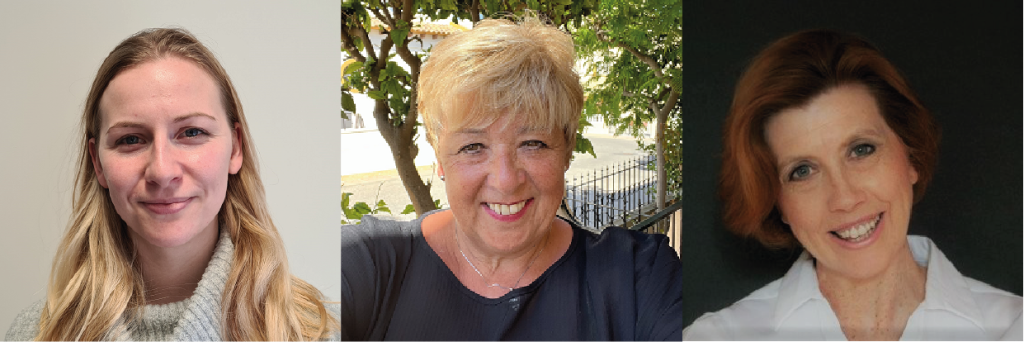
In our latest Meet Team OneLondon feature we are delighted to hear from Sam Kelly, Gracie Holt and Paula Jewes from Kingston Hospital. Together they are driving forward pioneering work that will support staff to effectively meet the reasonable adjustment needs of their patients (23 October 2024).
What are you trying to achieve with this project?
Gracie Holt, Learning Disability Liaison Lead Practitioner, said: “It is all about making our services more accessible for everyone by supporting our staff to anticipate the needs of patients and meet these needs in the right way so we get their care right the first time.
“Our staff already go to great lengths to do this mainly by calling patients, parents or carers to ask them. We want to introduce a better approach by proactively asking patients about their needs then digitally recording, sharing and flagging this information so the right staff can easily see the adjustments that are needed and ensure these are in place.”
Why is this so important?
Gracie said: “It is estimated that up to one in five people need a reasonable adjustment which is any practical change that reduces disadvantage related to someone’s disability and helps them to access care. People have a legal right to this.
“Adjustments can include larger text or pictures for those who have difficulty reading or understanding information, flexible appointment times for people with mobility issues who rely on others for transport and finding quieter waiting or treatment areas for those who feel anxious in loud or busy places.
“Some people need extra support. For example some of my patients with learning disabilities need to have a family member or carer with them at medical appointments to help with communications or make them feel comfortable enough to go through with the test or procedure. Often these are fairly simple adjustments that can make a big difference to the patient.”
Paula Jewes, Patient Experience & Involvement Lead, said: “If these adjustments are not in place this might mean a patient does not turn up for appointment or does not go through with a test or procedure. This causes delays in care which at worst could mean the difference between being able to treat someone for their condition or not. This can worsen health inequalities experienced by people with an impairment or disability. It is also about treating people with dignity and respect. That’s why we want to support our staff to get everyone’s care right first time.”
How will it work?
Samantha Kelly, Digital Change Manager, said: “We are using some new technology here at Kingston! We have developed a digital form within our Electronic Patient Record (EPR) system that our staff can use to record the information about a person’s needs and adjustments. This is then saved as part of their records within the EPR and linked to the patient’s key details such as their NHS number, name, address and so on. This means it can then be flagged in a really prominent place within the EPR so whenever a member of staff brings up a person’s record it is really clear that reasonable adjustments are needed and they know that they need to take the necessary action to put them in place.
“We are introducing this at Kingston Hospital later this autumn and hope this can then be rolled out more widely within south west London and then across the Capital via the London Care Record. This would mean that wherever one of our patients is receiving care across the Capital the professionals looking after them can easily see a summary of their reasonable adjustment needs without having to repeat their stories. Now wouldn’t that be something!!”
How did you involve staff and patients?
Paula said: “This new approach must work for our staff so it was really important to involve them in the development of the new digital reasonable adjustments form and how this is flagged in the EPR.
“We developed a staff awareness campaign and training about their duty to ask patients or carers if adjustments are needed, how to record and share and spot this information as well as how to put the adjustments in place. This is about empowering our staff to act on the information they have which in some cases this might mean adapting normal processes.
“We have also worked with our patient groups and developed public information about the adjustments they have the right to expect. We want them to be comfortable to ask for these as it is their right to do so.
“We have been really pleased with the positive feedback from both our staff and patients and we will continue to ensure they are centre stage moving forwards.”
How does it feel to be pioneers in the Capital?
Sam said: “I think I can speak on behalf of both Gracie and Paula in saying it is a privilege to be working on such an important project that has the potential to make such a difference.
“With a social services background I have spent many years working with people with learning disabilities and have seen first hand how important it is to get care right by meeting people’s needs first time.
“It is amazing to work with colleagues who share this passion. We are taking a new and innovative approach here at Kingston and are proud of what we have achieved to date. We are excited about what might come next in terms of wider rollout across south west London and the Capital.
“What really matters is that this makes a positive difference for our patients, helps ensure they are treated with dignity and they receive the best possible care in the right way.”