

Professor Elizabeth Sampson is a Consultant Liaison Psychiatrist based at the Royal London Hospital for East London NHS Foundation Trust and uses the London Care Record, Universal Care Plan and the new Mental Health Act digital system. We spoke to Professor Sampson about how these OneLondon tools support her to provide the best possible care for her patients (25 March 2025).
What is your role and where do you work?
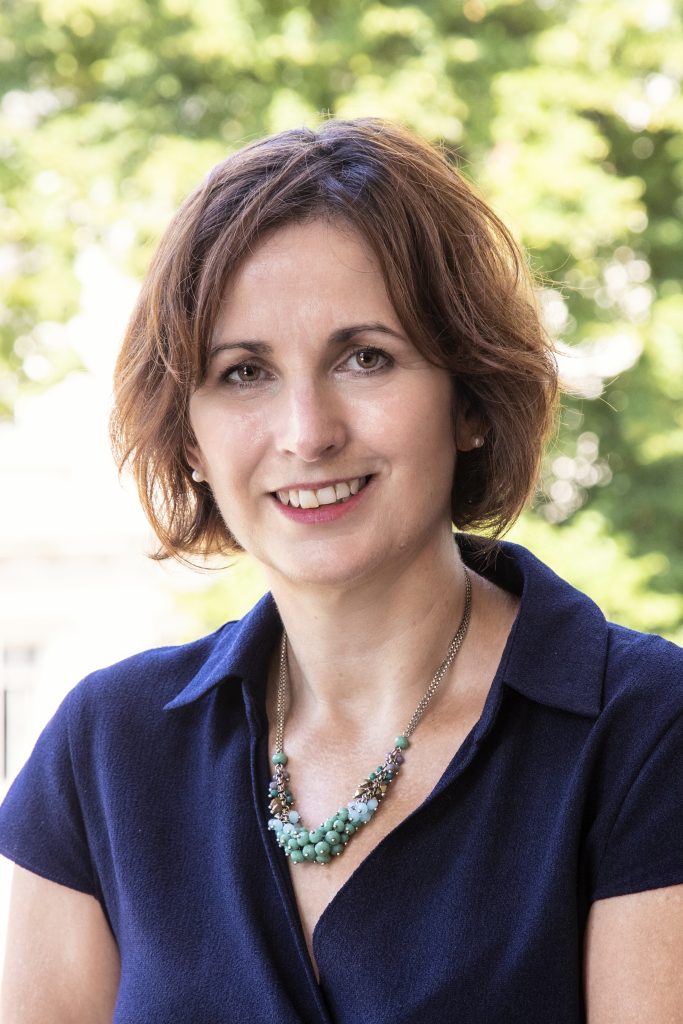
I am a Consultant Liaison Psychiatrist at the Royal London Hospital in East London and I have worked there for around three years. My role is very much an interface between mental health and physical care. I help to ensure that patients, often with some very complex mental health conditions, receive the best possible care and support.
I am part of a team that works in A&E and across all wards including intensive care. There are over 800 beds so it is a big and busy hospital. That means I see patients with a wide variety of conditions including schizophrenia and neuro-degradation as well as those who come into A&E after a serious accident who may need extra mental health care and support. I am also a researcher working with the Academic for Healthy Ageing (ACHA) at Whipps Cross Hospital and the Wolfson Institute of Population Health, Queen Mary University of London.
Supporting effective and joined-up care
As a liaison psychiatrist I need to know about a patient’s medications, past medical history and the care they have had. Understanding their personal circumstances is also vital, for example whether they are socially isolated without friends or family to help them or whether they have a support network and a key worker.
A lot of this information is about the care a patient has received outside of the hospital so it is not usually available on our own digital record system. The London Care Record can provide this all in one place including any mental health notes they might have, their GP summary information and their interactions with other hospitals as well as any care plans they might have in place.
That is why I use the London Care Record for pretty much every patient as it helps me to get as full a picture as possible to better understand them and determine the best care as well as who should be involved in this care. It also saves me a lot of time as I don’t need to spend ages on the phone trying to find out this information from a patient’s GP surgery or another hospital.
Urgent and emergency care
The patients that I see in A&E can be very unwell and distressed. For example they might have delirium or dementia or memory loss which often means they are not in a position to answer questions about their medical history, medications or the support systems they might have in place.
In these situations I need to act quickly so the London Care Record is invaluable in these pressurised and difficult moments. It helps inform my clinical decision-making so we provide the right care as quickly as possible.
Providing personalised care and support
For some patients it is really important to know whether they have had a discussion about their end-of-life care with a health and care professional and if they have a Universal Care Plan.
One of the great things about the London Care Record is that I can instantly see whether a patient has a Universal Care Plan. If they do I can view it from within the London Care Record. It lets me know key information such as who the important people are in their life and what types of clinical interventions they do or do not want to receive.
This helps to ensure that we provide not only the best care but also care that is in line with the wishes of the patient. For example it might mean that they are able to stay at home when they are nearing the end of life and receive care there, rather than coming into hospital.
Streamlining how patient information is recorded and shared
We have been using the older version of the Thalamos system at ELFT for a few years and it has been a really good tool.
The new Mental Health Act digital system (eMHA by Thalamos) was introduced a few months ago and really makes it easier to complete and share patient forms. It has definitely led to fewer mistakes in documents such as an incorrect patient address. Previously we sometimes had to make corrections by hand and it took time to amend the paperwork. Now it is so much easier and quicker which helps ensure patients get the right care sooner.
Find out more about the London Care Record here.
Fin out more about the Universal Care Plan here.
Find out more about the OneLondon eMHA programme here.